What Does an Elevated Anion Gap Indicate?
An high anion gap usually means there is too much acid in the blood that is not being fully accounted for by the usual electrolytes measured on a lab test. It is a signal, not a final diagnosis. Providers use the anion gap to assess acid-base balance, especially when they are concerned about metabolic acidosis. An Anion Gap Calculator can help estimate the number, but the result must always interpreted with the rest of the blood chemistry, especially bicarbonate and albumin.
A raised result can happen for a variety of reasons, including lactic acidosis, ketoacidosis, kidney failure, or exposure to toxins. In some cases, it points to a medical emergency such as diabetic ketoacidosis or poisoning. In other situations, it indicates a https://anion-gap-reference112.timeforchangecounselling.com/anion-gap-calculator-to-assess-metabolic-acidosis-interpretation more gradual process that requires a detailed clinical evaluation and diagnostic workup.
Understanding the Anion Gap?
The anion gap is a derived measurement that helps estimate the gap between the main positively charged and negative particles in the blood. In routine care, it is used as part of lab interpretation to identify hidden acids or unmeasured anions that may suggest an underlying problem.
The calculation is based on common serum electrolytes such as sodium and chloride, along with bicarbonate. These substances help preserve normal acid-base balance, and when the balance moves, the anion gap can vary.
Consider it as a clue from the blood rather than a stand-alone diagnosis. A person may have an abnormal result because of a true metabolic disorder, or because the number needs correction for another factor, such as albumin. For this reason an elevated result should always be interpreted in context.
How an Anion Gap Calculator Operates
An Anion Gap Calculator uses the anion gap formula to estimate the difference between observed cations and observed anions. In its common form, the formula compares sodium with chloride and bicarbonate. The exact calculation can vary slightly depending on the laboratory and the units used.
The calculator is valuable because it converts blood chemistry into a fast screening tool. If the anion gap is high, the result suggests there may be extra acids in the bloodstream or a reduction in bicarbonate related to acid buildup. That finding can prompt further testing for a specific cause.
Albumin matters because it is one of the major unmeasured anions in the blood. When albumin is low, the anion gap may appear falsely normal or lower than expected. For that reason, clinicians often apply albumin-adjusted interpretation during clinical evaluation. This is especially significant when looking for high anion gap acidosis, where the true abnormality could otherwise be underestimated.
In practical terms, the calculator helps with early recognition, but it cannot identify the cause on its own. It supports diagnostic workup, not final diagnosis.
What Is Considered an Elevated Anion Gap?
The usual range for the anion gap can differ by lab because procedures, resulting conventions, and comparison populations are not the same. What one lab calls normal may be considered a little elevated in another lab’s comparison range. That is why the result should always be interpreted with the specific lab’s results.
A elevated anion gap typically suggests the gap is over the expected range, suggesting additional unmeasured acids in the blood. Slight increases may not automatically be concerning, especially if there is an obvious explanation or a temporary change in fluid balance, food intake, or medication use. Larger elevations are more concerning, particularly when they come with symptoms or a low bicarbonate level.
The value itself does not reveal the full context. A patient can have an high result with no immediate symptoms, while another person with a modest elevation may be very ill. The broader picture matters: the test values, the medical history, and the physical assessment all contribute to determine whether the elevation is clinically important.
Frequent Causes of a Increased Anion Gap
A leading reason for an high anion gap is metabolic acidosis. In this state, acids build up or bicarbonate is used up more quickly than the body can restore it. The result is a shift in blood chemistry that widens the gap.
Lactic acidosis is a common cause. It can happen when the body tissues do not get enough oxygen, when there is severe infection, intense exertion, or other conditions that increase lactate production. Because lactate is an unmeasured anion, it can raise the anion gap significantly.
Ketoacidosis is another major cause. It occurs when the body burns fat at a fast rate and produces ketones, which are acidic. This can happen in diabetes, prolonged fasting, heavy alcohol use, or other metabolic stress states. One of the most important forms is diabetic ketoacidosis, a dangerous condition that can develop quickly and needs urgent treatment.
These causes are not just lab abnormalities; they reflect serious physiologic stress. An elevated anion gap in this setting is often part of a larger metabolic disorder that needs immediate assessment.
Other Causes That May Increase the Anion Gap
Beyond the typical acid-producing conditions, various other factors can elevate the anion gap. Kidney failure and renal failure can reduce the body’s ability to clear acids and waste substances. Once acids accumulate, the gap can rise. This is particularly likely when there is renal impairment affecting healthy acid excretion.
Toxic substances are another key category. Certain substances create a dangerous form of toxic ingestion that disrupts blood chemistry and increases the gap. Some exposures may trigger direct acid buildup, while others disrupt metabolism or oxygen delivery. Because of this, clinicians often evaluate poison-related causes when the history suggests possible poisoning.
In fewer cases, an elevated result can appear in mixed acid-base states or when there are multiple problems at once. As an example, a person may have kidney dysfunction plus lactic acidosis, or ketoacidosis plus dehydration. In these instances, the anion gap helps reveal that more than one process may be affecting the blood.
Symptoms That May Occur Along With an Elevated Anion Gap
An elevated anion gap does not always cause symptoms by itself. The symptoms typically come from the underlying cause, the associated acidosis, or the illness that brought on the abnormality. Still, certain signs often occur and must not be dismissed.
Shortness of breath can occur because the body tries to compensate for acid buildup by breathing at a faster rate or deeper. This is the body’s attempt to restore the pH imbalance.
Nausea is also frequent, especially in ketoacidosis or substantial metabolic disturbance. Some people experience vomiting, poor appetite, or abdominal discomfort as part of the same reaction.
Confusion, drowsiness, and reduced alertness may appear when the acidosis becomes more severe or when the underlying illness affects the brain. These symptoms warrant prompt attention, especially if they are new or worsening.
Other possible findings include weakness, fatigue, rapid breathing, and general illness. A careful symptom assessment helps determine whether the abnormal lab result is a minor finding or part of a more serious emergency.
How Physicians Diagnose the Source
Doctors typically begin with a blood test that contains an electrolyte panel. The panel offers the values used to calculate the anion gap and offers quick clues about sodium, chloride, and bicarbonate levels. It is often the initial step in assessing acid-base problems.
An arterial blood gas may be ordered to measure pH, carbon dioxide, and oxygen levels more precisely. This helps show whether there is acidosis and how severe it is. It also helps reveal whether the body is adjusting appropriately.
Additional testing depends on the suspected cause. Clinicians may check glucose and ketones for potential ketoacidosis, lactate for lactic acidosis, kidney function markers for renal causes, and toxicology studies when ingestion is suspected. This is where the diagnostic workup becomes tailored to the patient.
Because the anion gap is only one piece of the puzzle, clinicians look at the full picture: symptoms, history, medications, physical exam findings, and other blood chemistry results. That full clinical evaluation is what uncovers the underlying cause and shapes treatment.
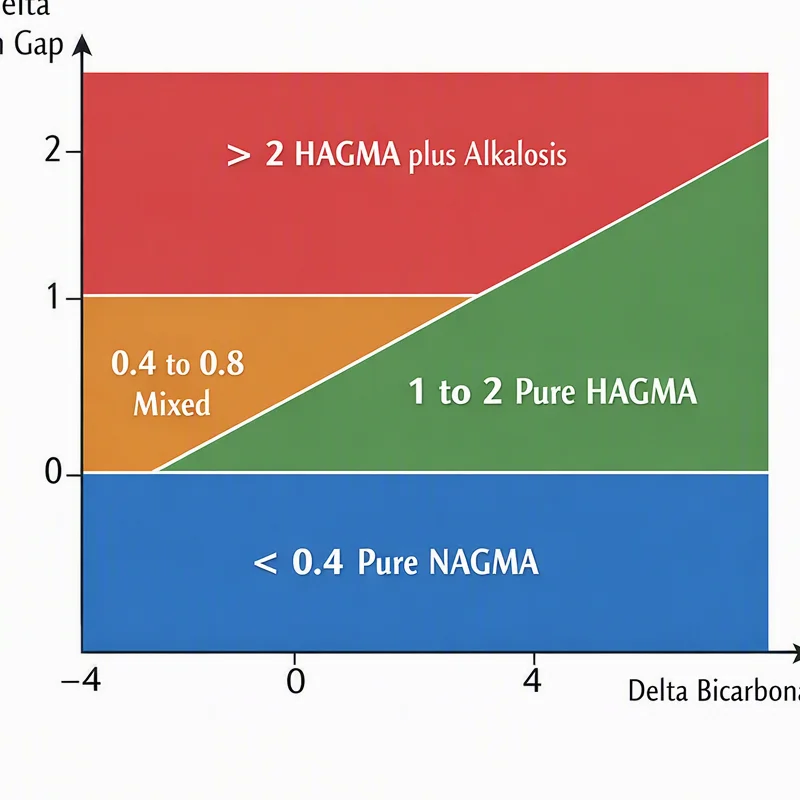
If an Increased Anion Gap Is an Emergency
Certain elevated results require urgent care. Diabetic ketoacidosis is one of the most important emergencies because it can advance fast and become life-threatening without treatment. Warning signs may include severe dehydration, vomiting, rapid breathing, confusion, and very high blood sugar.
Poisoning is another emergency concern, especially when toxins or toxic ingestion are suspected. Certain poisons can create severe acid-base shifts and rapidly worsen organ function.
Severe acidosis is itself a medical emergency irrespective of the cause. When the body’s pH becomes too abnormal, organ systems may not function properly. That can affect the heart, brain, and kidneys, making immediate evaluation necessary.
When an elevated Anion Gap Calculator appears alongside trouble breathing, confusion, fainting, chest pain, severe weakness, or a known toxic exposure, prompt medical evaluation is required.
Under these circumstances, the goal is not just to lower the number. The goal is to determine and treat the underlying problem before complications develop.
How Treatment Depends on the Underlying Cause
Treatment depends fully on the cause of the abnormality. There is no single fix for every elevated Anion Gap Calculator. Instead, clinicians choose among different treatment options based on the diagnosis.
IV fluids are commonly used when dehydration, poor circulation, or diabetic ketoacidosis are contributing factors. Fluids can improve perfusion, support kidney function, and help correct some metabolic changes.
Insulin is essential in diabetic ketoacidosis because it stops ketone production and helps the body use glucose properly. When DKA is the cause, insulin therapy is often combined with fluid replacement and close monitoring of electrolytes.
Bicarbonate therapy may be used in selected cases, especially when acidosis is severe. However, it is not appropriate for every patient. Doctors weigh the benefits and risks carefully, since correcting the number without fixing the cause is not enough.
If kidney failure is involved, treatment may also include managing fluid balance, addressing the cause of the kidney injury, or using dialysis in some cases. If toxins are involved, antidotes, supportive care, or specialized decontamination may be needed. The main principle is always the same: identify the underlying cause and treat it directly.
FAQ: Common Questions About Elevated Anion Gap Results
What does an elevated anion gap indicate?
An elevated anion gap usually indicates that extra acids or unmeasured anions are present in the blood. It often suggests a type of metabolic acidosis and may point to conditions such as lactic acidosis, ketoacidosis, kidney failure, or toxin exposure. It is a clue that needs further lab interpretation, not a final diagnosis.
Is a high anion gap always dangerous?
No, not in every case. A mild increase may not be dangerous on its own, especially if it is explained by the laboratory context or albumin level. However, a ongoing or substantial high anion gap can signal a major concern and should be reviewed by a clinician. The degree of concern depends on the symptoms, the rest of the labs, and the suspected cause.
Can dehydration cause an elevated anion gap?
Lack of fluids can sometimes contribute as a secondary factor, especially if it worsens kidney function, compacts blood values, or occurs alongside conditions like ketoacidosis. But dehydration alone is not usually the main cause of a major elevation. A proper clinical evaluation is needed to determine whether there is a more serious issue.
How is a high anion gap treated?
Care depends on the cause. Common approaches include IV fluids, insulin for diabetic ketoacidosis, and bicarbonate therapy in certain severe cases. If kidney failure or toxins are involved, treatment may focus on the specific underlying cause. The right approach is chosen after a full diagnostic workup.
When should I seek urgent medical care for a high anion gap?
Seek urgent care if the elevated result comes with shortness of breath, confusion, severe weakness, fainting, vomiting, or symptoms of poisoning. Urgent evaluation is also needed if diabetic ketoacidosis, severe acidosis, or toxin exposure is possible. These situations can be medical emergency events and should not be delayed.